
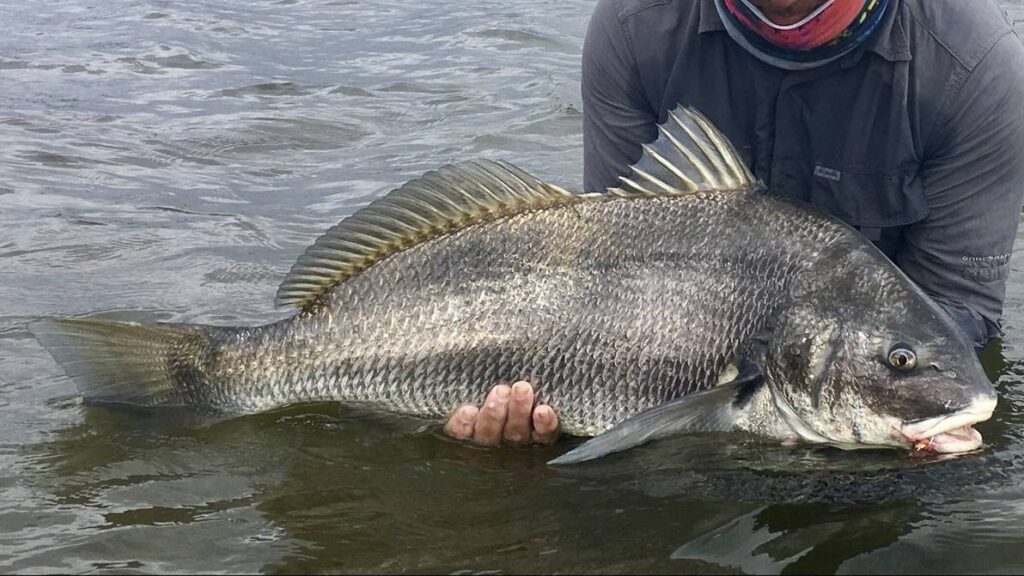
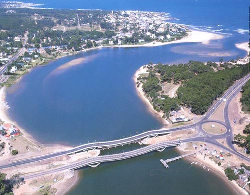
It also sounds small (micro…pogonias), it isn’t either. This is the name of a delicious fish which is called “corvina” in Spanish and which made my father in La Barra, (Maldonado, Uruguay) spend many nights by the shore. There’s a beautiful stream where these fish come looking for a place to let their future generations prosper, in short, they come to spawn.
Many fishermen spend hours and hours waiting for the greatest trophy in fishing: the Black Croaker. Due to its size and fighting capacity, as well as its generous and long season, it is the magnum opus of Uruguay’s coastal sport fishing.
These schools of fish can be with specimens averaging 10 kilos at the beginning of the season -beginning of Spring in Uruguay, September- and larger than 20 kilos at the mid-season or end of it.
My father loved to fish from the shore although he sometimes went on a boat. His favourite was the former one because it was more exciting. As a kid, I went with him many times. I loved those long days because I have always loved the beach (yes, I know I have mentioned it many times!) but also, I had the opportunity to have practical fishing lessons from my father.
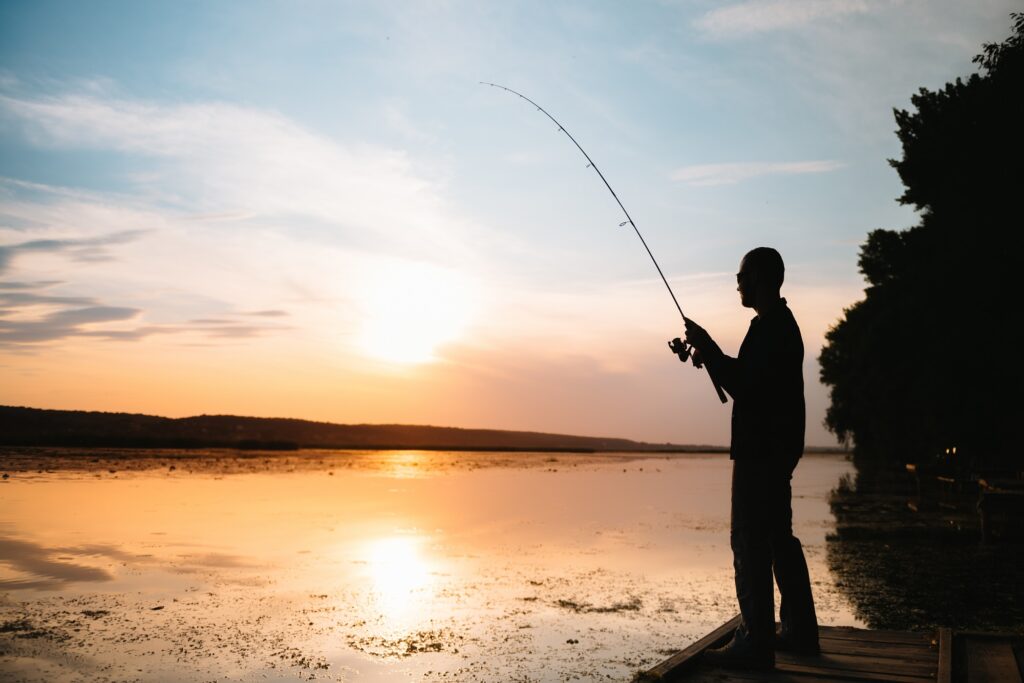
First lesson: be patient, serious, monk-level patience. This style of fishing is all about the art of chill: the rod just lounges on its rest while you play the ultimate waiting game. Then—bam!—out of nowhere, the rod snaps forward like it’s possessed. The fish is on, and now more patience is needed (second lesson!) as you start facing from 20 to 30 minutes of pure, heart-pounding war. If you are impatient and try to catch the fish as fast as possible, you’re mostly bound to lose it. For sure!
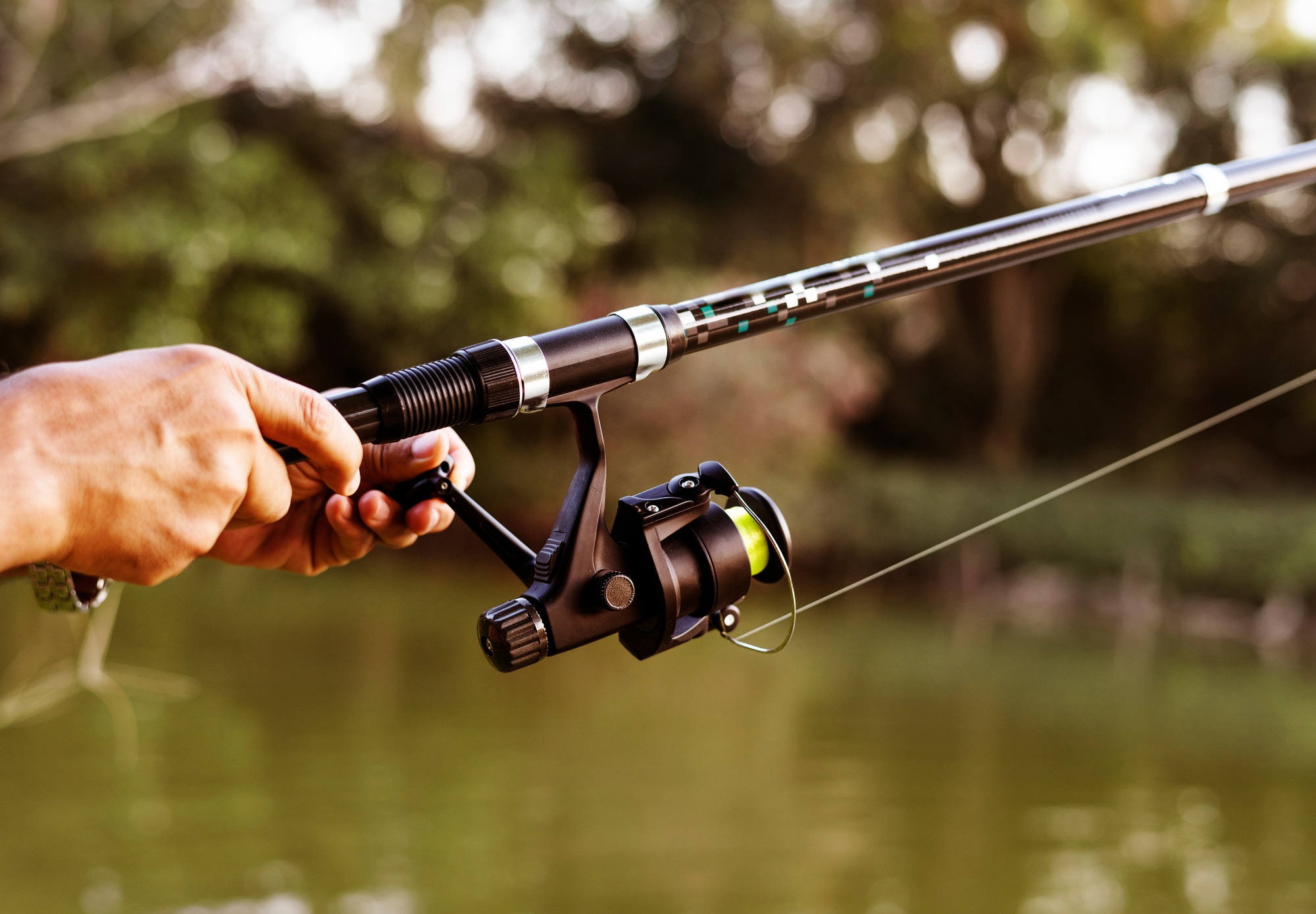
Third lesson: always use the best and strongest equipment for this kind of fish. Otherwise, it’s a waste of time and energy. Choose a long rod of about 3.90 to 4.20m. The rod and reel need to be of a good quality as well as the line. When fishing the “corvina” you can get cold, wet, usually have a rather long wait, and can’t afford to “stuck” a 20-kg fish and have the line break. Definitely not.
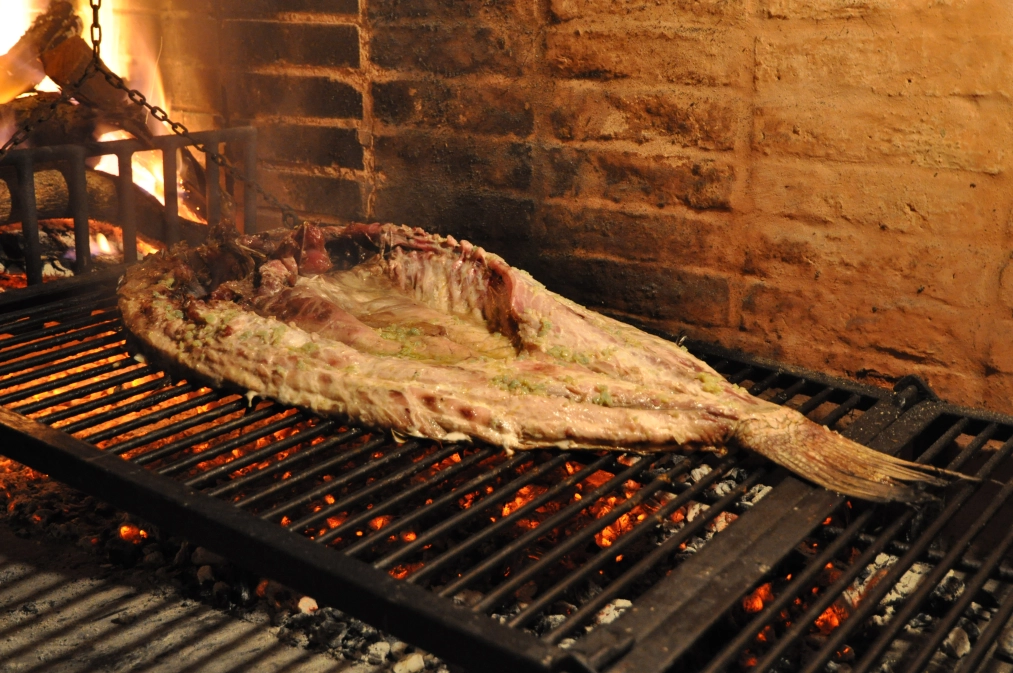
I can testify of the hard work to catch one of these fish, can also testify how delicious they are when they are prepared on a barbecue…my mouth starts watering just remembering it. There are no small bones so you can really enjoy while eating it -something I didn’t use to do when eating smaller fish! Agathocles, the so-called tyrant of Syracuse, always came to my mind, who met his end in a way that was as trivial as it was absurd. During a meal, he choked on a toothpick, which caused his death. That’s one of the reasons I love eating “corvina”: I don’t have to worry about small bones!
I loved the three (in reality two!) lessons I learnt from going fishing with my father. When fishing, having patience means to wait calmly, often for long periods, without knowing when or if a catch will come. Similarly, in our lives, patience involves enduring delays or challenges without frustration. Trusting that results will come with time. In both, those who persist quietly and steadily are the ones who get the reward.
“A bad day can be made better with some fishing time”. Anonymous.
1 comment
Marian
Another lovely blog which makes me feel I’m actually there in the action when I read it!!!! Thank you for your inspirational blogs xxx